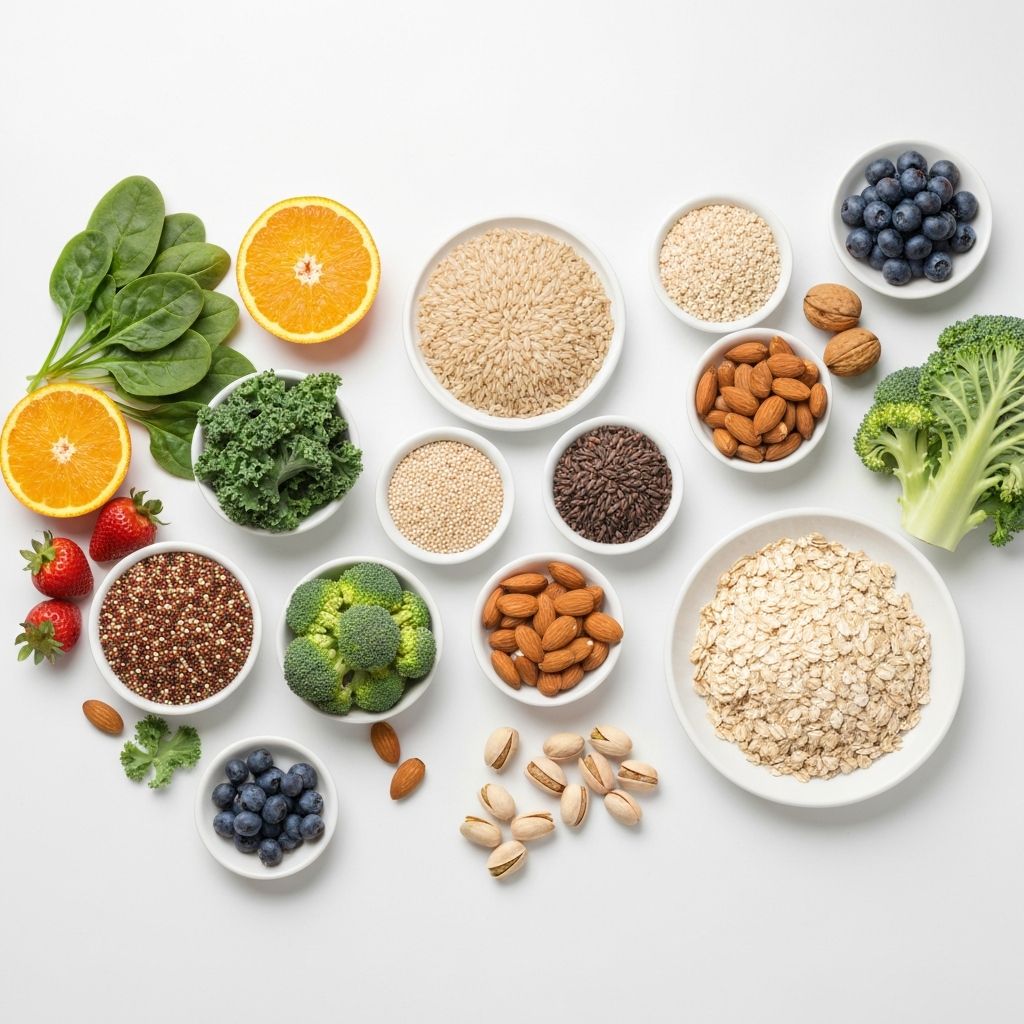
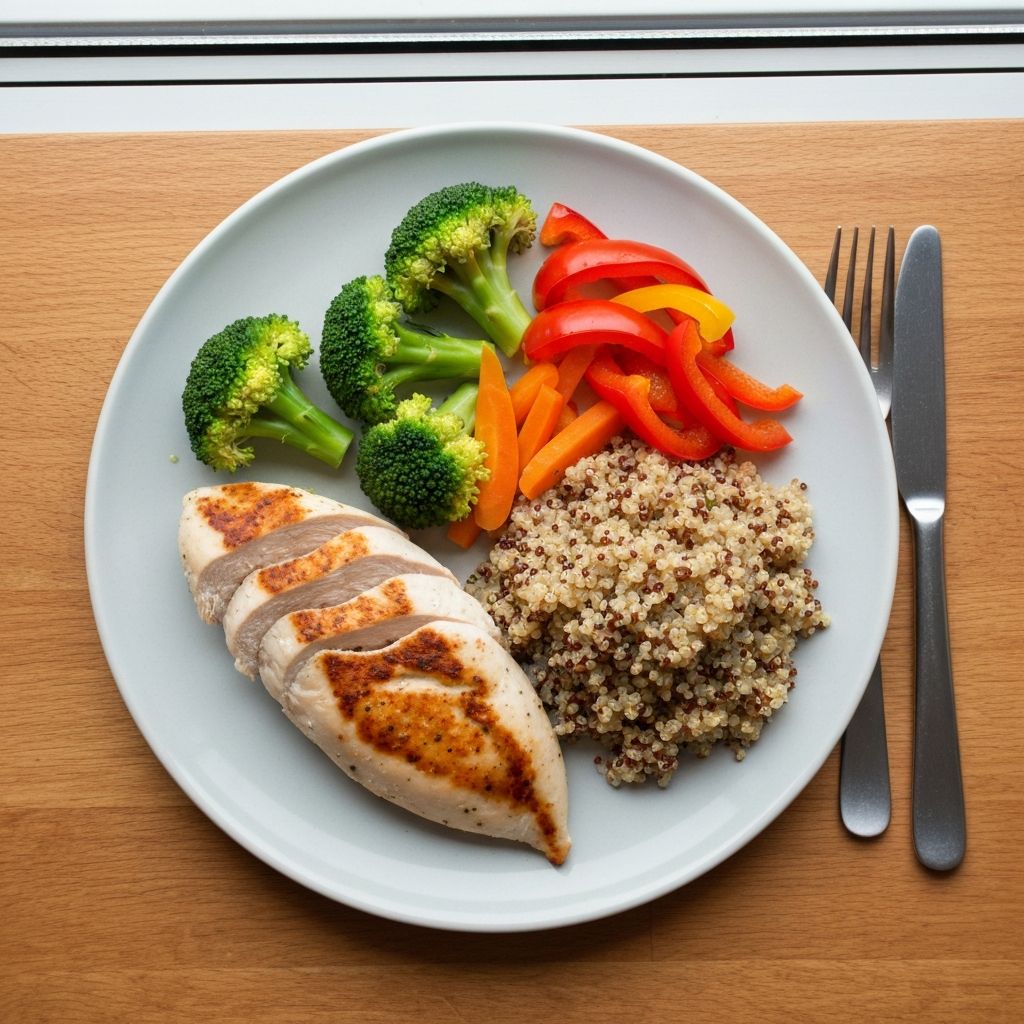
Learn about practical approaches to reducing excess calories through ingredient alternatives
Learn more
Understanding how ingredient substitutions work in everyday cooking can provide valuable insights into calorie management. This educational resource explores the principles behind replacing higher-calorie ingredients with lighter alternatives while maintaining flavor and nutritional value.
The concept of ingredient substitution is based on simple nutritional principles. Many traditional recipes rely on ingredients that contribute significant calories, often from fats, refined sugars, or processed components. By understanding these patterns, individuals can make more informed choices about their food preparation.
This guide presents educational information about common substitution strategies, explaining how different ingredients compare in terms of calorie content and nutritional composition.
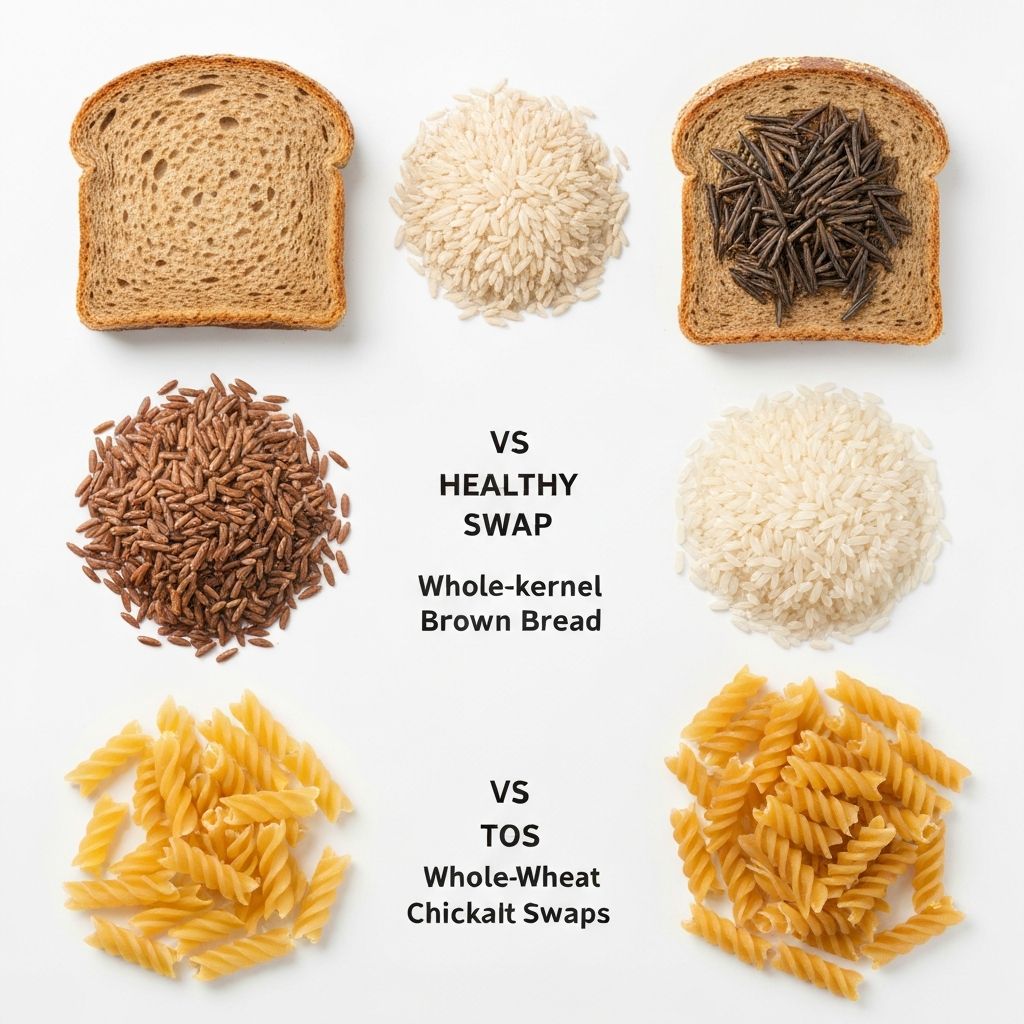
The practice of ingredient substitution is rooted in nutritional science. Different foods provide varying amounts of energy, measured in calories. Some ingredients are naturally more calorie-dense than others due to their fat or sugar content.
Several key principles guide ingredient substitution:
These principles represent general nutritional concepts and may vary based on individual circumstances and specific food choices.
The following examples illustrate typical ingredient substitutions that people explore in cooking:
These examples represent general cooking alternatives and do not constitute dietary recommendations. Individual responses to different foods can vary widely.
To demonstrate how substitutions might appear in daily eating patterns, here are educational examples:
Traditional: White toast with butter and jam
Alternative approach: Whole grain toast with mashed avocado and tomato
Traditional: Creamy pasta with cheese sauce
Alternative approach: Whole wheat pasta with tomato-based sauce and vegetables
Traditional: Fried chicken with mashed potatoes
Alternative approach: Grilled chicken with roasted vegetables and quinoa
Traditional: Potato chips
Alternative approach: Air-popped popcorn or vegetable sticks with hummus
These examples serve educational purposes only and illustrate general patterns rather than specific recommendations.
Learn about the educational principles behind calorie reduction through ingredient alternatives.
Read in detailExplore common examples of ingredient substitutions used in everyday cooking.
Read in detailUnderstand how meal planning concepts incorporate alternative ingredients.
Read in detailThis website provides educational information about ingredient substitutions and calorie management concepts. The content presented here:
Individual nutritional needs vary based on numerous factors including age, activity level, health status, and personal circumstances. Anyone considering changes to their eating patterns should seek guidance from qualified professionals.